As your business grows, your brand identity needs to stay clear, consistent, and professional. A strong brand identity helps customers recognize your business across your website, social media, presentations, brochures, proposals, ads, and every other touchpoint.
But many growing companies end up with scattered visuals. The logo may look different across platforms, colors may not match, fonts may change from one design to another, and marketing materials may feel disconnected.
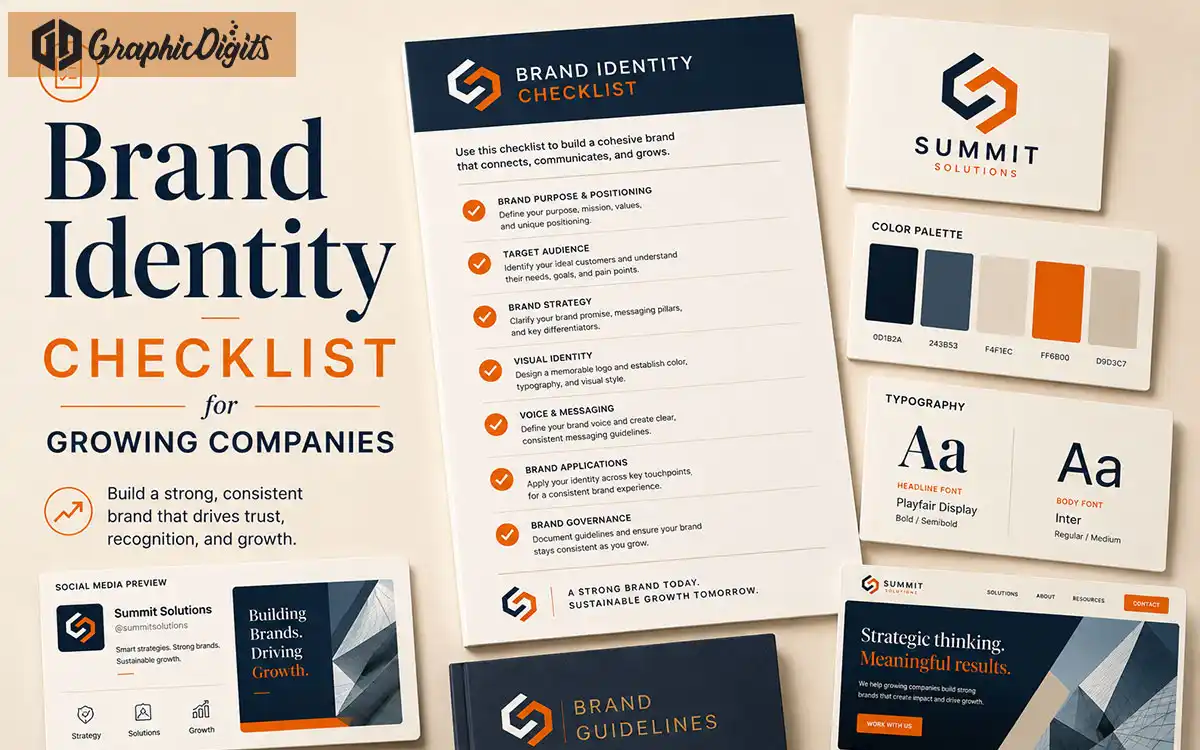
This brand identity checklist helps you review the most important visual and messaging elements so your business can look more consistent, trustworthy, and ready for growth.
- Review every touchpointCheck logo, colors, type, messaging, web, social, and marketing assets together.
- Document what you useSave correct files, color values, fonts, and usage rules so teams stay aligned.
- Prepare for growthA consistent identity builds trust as more people create content for your brand.
Section 01
Why Brand Identity Matters
Brand identity is the complete visual and verbal system that represents your business. It includes your logo, colors, typography, imagery, tone of voice, layout style, and marketing visuals.
A consistent brand identity makes your business easier to remember. It also helps customers feel more confident because your brand looks organized and professional.
For growing companies, brand identity becomes even more important as more people create content, update websites, post on social media, design presentations, and send marketing materials.
Section 02
Logo and Visual Marks
Your logo should be clear, readable, and flexible enough to work across websites, social profiles, business cards, documents, presentations, and ads.
- Primary logo
- Secondary logo
- Icon-only mark
- Black and white versions
- Transparent PNG files
- Vector files such as SVG, AI, or EPS
- Clear spacing rules
- Minimum size rules
Need stronger logo fundamentals? See our complete guide to logo design or explore logo design services.
Section 03
Color Palette
Your color palette should include primary, secondary, accent, neutral, and background colors. Each color should have correct HEX, RGB, and CMYK values if needed.
Colors should support your brand personality and remain readable across digital and marketing materials.
Section 04
Typography System
Typography affects readability and brand personality. Your brand should have clear rules for headings, body text, buttons, captions, and small labels.
- Heading font
- Body font
- Button text style
- Font sizes
- Line spacing
- Font weights
- Usage examples
Section 05
Brand Messaging
Your brand identity should also include messaging. This helps your business communicate with a consistent voice across pages, posts, ads, emails, brochures, and presentations.
Define your brand tone, tagline, key message, value proposition, CTA style, and words to avoid.
Section 06
Website Brand Consistency
Your website should match your brand identity. Review your homepage, service pages, landing pages, contact page, blog, forms, buttons, icons, images, and CTA sections.
A website that uses consistent branding builds trust and helps visitors understand your business faster. GraphicDigits can align your site through website design that follows your brand system.
Section 07
Social Media Visuals
Social media graphics should look connected to your brand. Use consistent colors, fonts, templates, logo placement, image style, and post layouts.
This makes your content more recognizable when people scroll through feeds. We can help with social media graphics that match your identity.
Section 08
Marketing Materials
Your brochures, flyers, business cards, company profiles, pitch decks, presentations, email newsletters, and ads should follow the same brand identity.
When all materials look connected, your business feels more professional and reliable. Explore presentation design, business card design, and broader branding design to keep assets aligned.
Section 09
Brand Guidelines
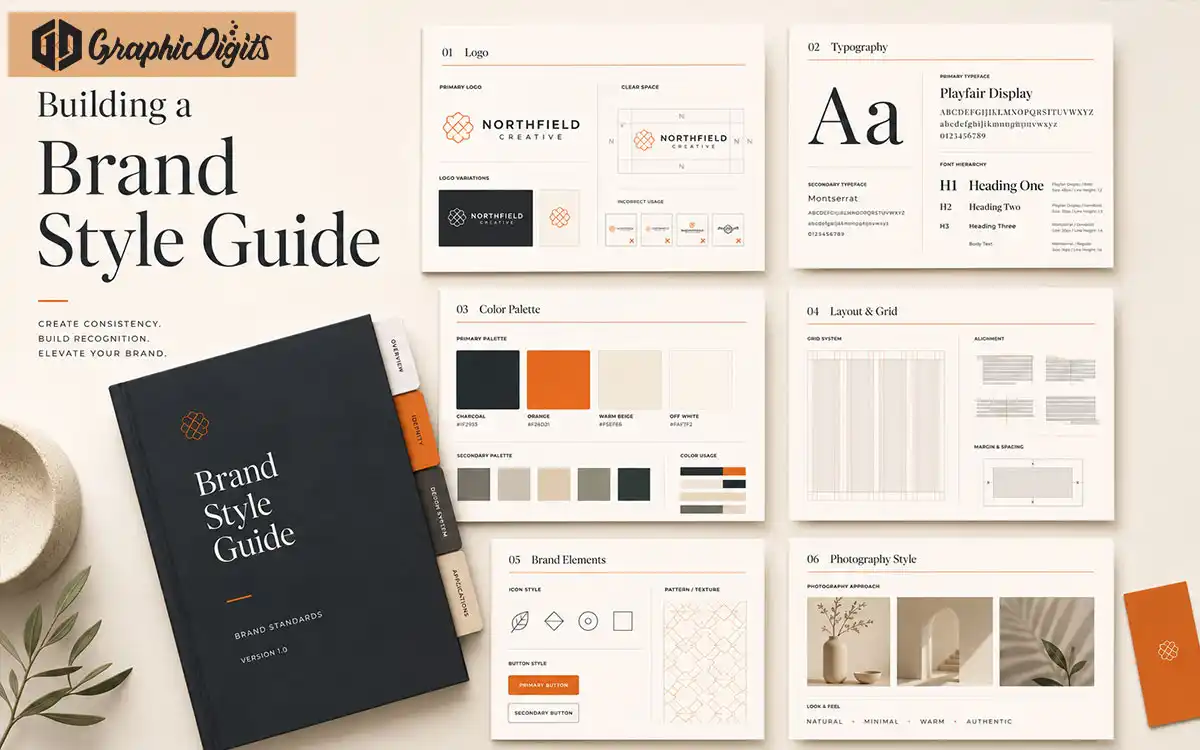
A brand guideline document helps your team use the brand correctly. It should explain logo usage, colors, typography, imagery, icons, layouts, messaging, and design examples.
Even a simple brand guide can prevent confusion and keep your visuals consistent. Learn how to build one in our guide to building a brand style guide.
Next Steps
Turn the Checklist Into an Action Plan
A checklist is most useful when it leads to decisions. After your review, list each gap, the touchpoints it affects, who owns the correction, and whether it needs a quick update or a system-level redesign.
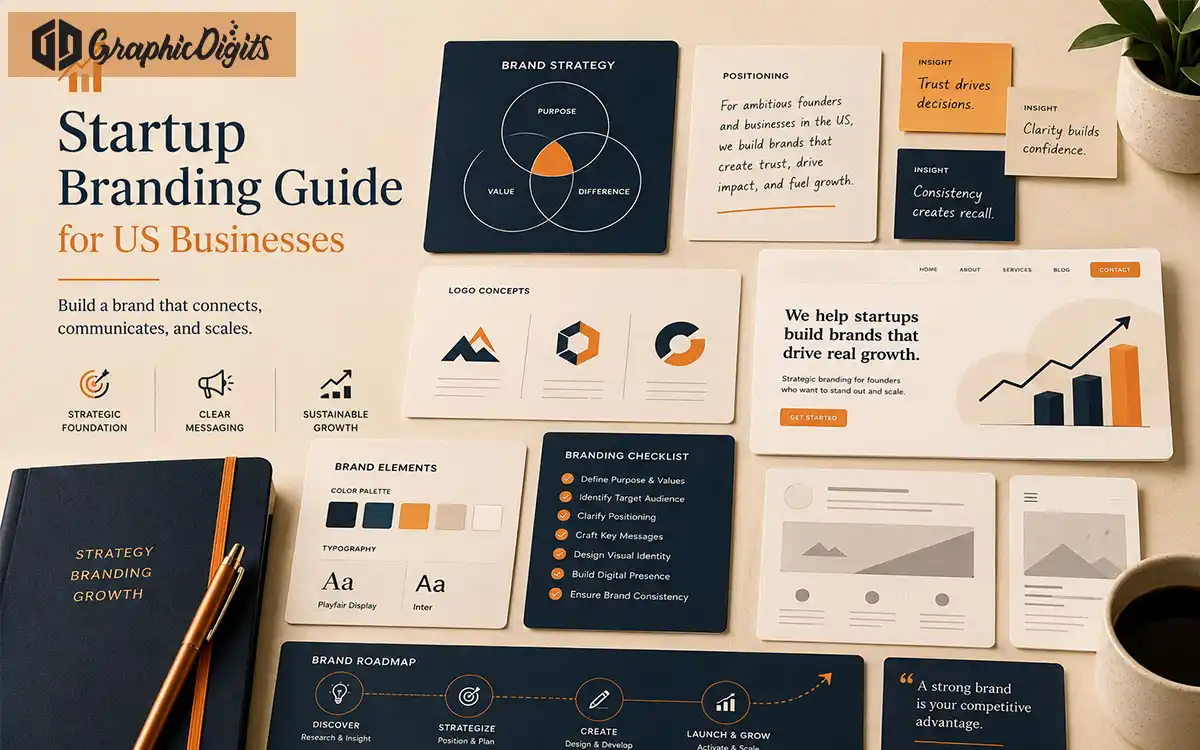
If the review shows that your logo, visual rules, and messaging are all pulling in different directions, start with a brand strategy and identity scope rather than patching individual assets. Our branding design services page explains the types of work that can be scoped together.
Avoid These
Brand Identity Mistakes
Watch for these common issues that weaken brand consistency as companies grow.
Using different logo versions everywhere
Mixed logo files make your business look disorganized and harder to recognize.
Not defining color values
Without HEX, RGB, or CMYK codes, teams guess colors and create mismatched visuals.
Mixing too many fonts
Too many typefaces weaken hierarchy and make content harder to read.
Inconsistent social media templates
Random post layouts reduce recognition when people scroll through feeds.
Weak website visual consistency
Pages that use different styles make your business feel less trustworthy.
Missing brand guidelines
Without documented rules, every new asset drifts further from your identity.
Using low-resolution files
Blurry logos and images damage credibility on web and print materials.
Copying competitor styles too closely
Your brand should feel distinct, not like a version of another company.
Partner With Us
How GraphicDigits Can Help
GraphicDigits helps growing companies create professional brand identity systems that are clear, consistent, and easy to use.
We can help with logo design, brand guidelines, color systems, typography, website visuals, social media graphics, brochures, pitch decks, company profiles, and marketing materials.
Whether your business needs a new brand identity or a cleaner system for an existing brand, we can help you build visuals that support trust and growth. Get a quote to discuss your project.
Need a Stronger Brand Identity System?
Get a professional brand identity system that keeps your logo, visuals, messaging, and marketing materials consistent.