Your logo is often the first visual impression people have of your business. It appears on your website, social media profiles, business cards, packaging, proposals, presentations, signage, and every customer touchpoint where your brand needs to be recognized.
A strong logo does more than look attractive. It gives your business a clear identity, makes your brand easier to remember, and helps customers feel confident before they ever speak to you.
This complete guide explains what makes a logo effective, which logo types businesses can choose from, how the design process works, and what mistakes to avoid when creating a professional brand logo.
- Strategy firstDefine brand personality before choosing shapes or colors.
- Design for scaleTest logos from favicon size to signage and print.
- Deliver properlyRequest vector files and color variants for every channel.
Section 01
What Is Logo Design?
Logo design is the process of creating a unique visual symbol, wordmark, or combined identity mark that represents a business, product, service, or organization.
A logo can include typography, icons, shapes, colors, spacing, and visual style. But the real purpose of logo design is not decoration. The purpose is recognition.
A good logo helps people identify your brand quickly and remember it clearly. It should work across digital and print formats, look professional at different sizes, and communicate the right personality for your business.
Section 02
Why Logo Design Matters for Your Business
A professional logo can directly influence how people perceive your brand. When your logo looks polished and intentional, customers are more likely to see your business as trustworthy, established, and credible.
For small businesses, startups, and growing companies, logo design plays an important role in building recognition. It gives your audience a consistent visual anchor across your website, social media graphics, marketing materials, presentations, and sales documents.
Trust & Credibility
A polished logo signals professionalism before a customer reads a single line of copy.
Instant Recognition
Consistent marks across touchpoints make your business easier to remember and refer.
Stronger Marketing
Unified visuals improve ads, websites, proposals, and social content performance.
Long-Term Value
A timeless identity reduces costly redesigns and protects brand equity as you grow.
A weak or outdated logo can make your business look unprofessional or less reliable than competitors. Logo design should be treated as a strategic brand asset, not just a simple graphic.
Section 03
Core Principles of Effective Logo Design
Simplicity
Simple logos are easier to recognize, remember, and apply across different platforms. A logo should not rely on too many effects, tiny details, or complicated illustrations.
Memorability
A strong logo creates a lasting impression. It should include a distinctive visual idea that helps your business stand out from generic competitors.
Relevance
Your logo should match your industry, audience, and brand personality. A law firm, restaurant, SaaS company, fitness brand, and medical clinic should not all look the same.
Versatility
A logo must work on websites, mobile screens, social media profiles, business cards, documents, signage, merchandise, and advertisements. It should look good in full color, black, white, and small sizes.
Timelessness
Trendy effects may look fresh today but become outdated quickly. The best logos are built on strong shapes, clear typography, and balanced design choices that can last for years.
Section 04
Main Types of Logos
Wordmark Logo
A wordmark logo uses the business name as the main visual identity. This style works well when the brand name is short, unique, or important for recognition.
Lettermark Logo
A lettermark uses initials or abbreviated letters. This is useful for long business names or brands that want a compact and professional mark.
Icon or Symbol Logo
An icon-based logo uses a symbol to represent the brand. This can become powerful over time, but it usually requires strong brand recognition to work independently.
Combination Logo
A combination logo includes both text and an icon. This is one of the most flexible logo types because the text and symbol can be used together or separately.
Emblem Logo
An emblem logo places text inside a badge, seal, or contained shape. This style can work well for schools, restaurants, clubs, premium brands, and traditional businesses.
Section 05
The Professional Logo Design Process
Brand Discovery
The process starts by understanding the business, audience, competitors, industry, and brand personality. Without strategy, a logo becomes guesswork.
Research and Direction
Research helps define what the logo should communicate and how it can stand apart from competitors. This stage often includes visual references, positioning notes, and creative direction.
Sketching and Concept Development
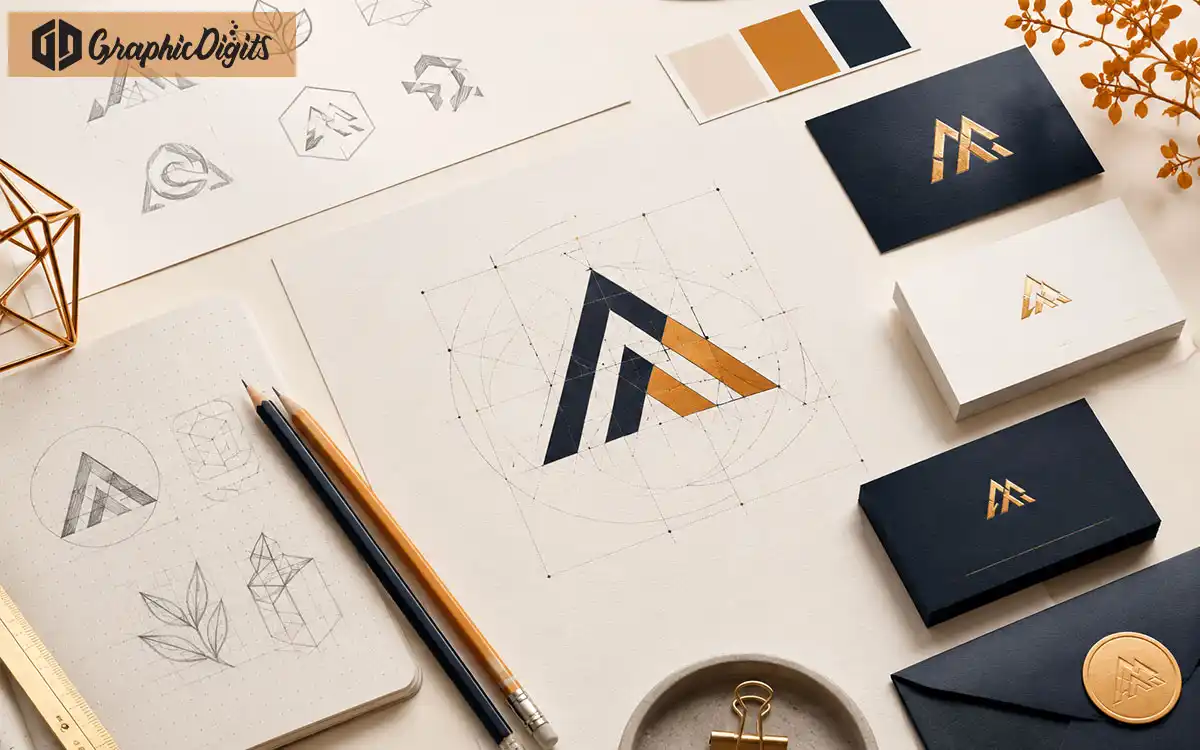
Before final design, strong ideas are explored through sketches, shapes, typography, and layout experiments. This helps identify the strongest visual direction.
Digital Design
Selected concepts are refined digitally with proper spacing, alignment, proportions, typography, and color options.
Review and Refinement
The best logo direction is tested, improved, and adjusted based on clarity, usability, brand fit, and real-world application.
Final Delivery
A professional logo package should include the final logo in multiple formats, color versions, and layout variations so the business can use it across different platforms.
Section 06
Choosing the Right Logo Colors
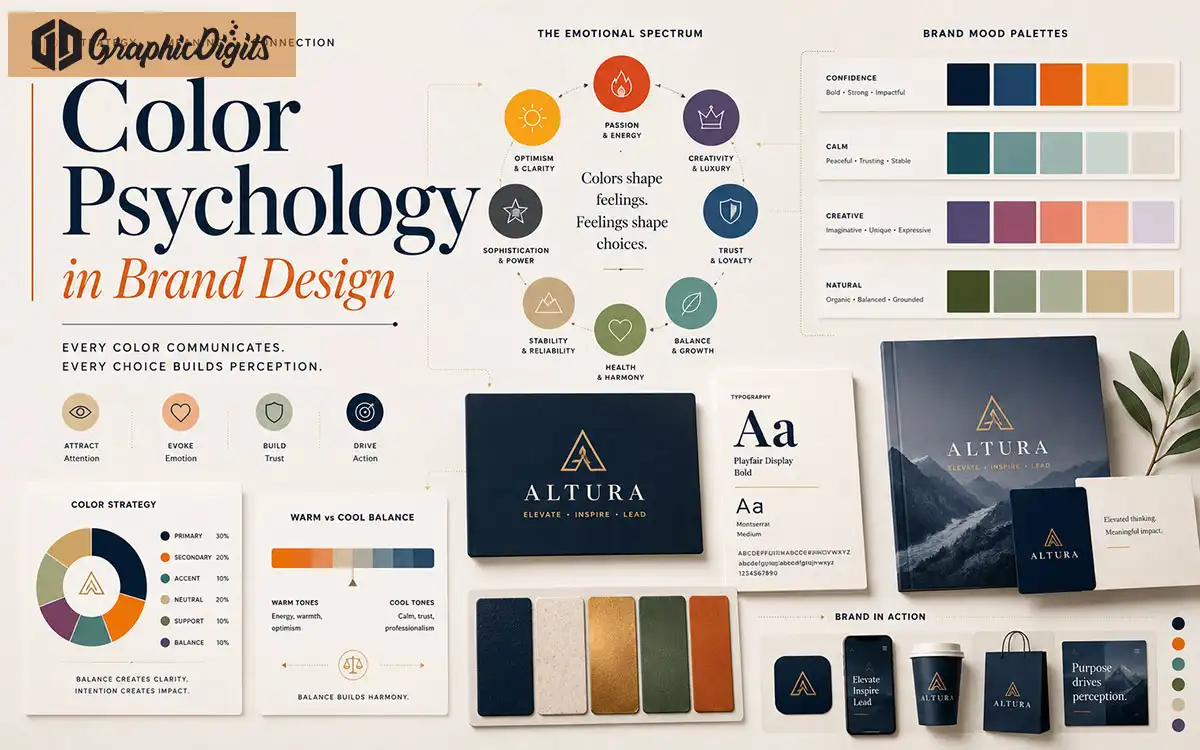
Color plays an important role in how your logo is perceived. Blue often feels trustworthy and professional. Orange can feel energetic and creative. Black can feel premium and strong. Green may suggest growth, nature, or wellness.
The best color choice depends on your industry, target audience, and brand personality. A logo should also work in black and white because it may appear on documents, stamps, invoices, signage, embroidery, and limited-color applications.
Avoid choosing colors only because they look attractive. Choose colors that support the message your brand needs to communicate. For a deeper look at color strategy, see our guide on color psychology in brand design.
Section 07
Choosing the Right Typography
Typography can completely change the personality of a logo. A serif font can feel classic, established, or premium. A sans-serif font can feel modern, clean, and direct. A custom letterform can make the logo more unique and ownable.
The most important rule is readability. If people cannot read your business name quickly, the logo may fail no matter how stylish it looks.
Professional logo typography should be balanced, scalable, and aligned with the character of the brand.
Section 08
Common Logo Design Mistakes to Avoid
Many businesses make the mistake of choosing a logo only because it looks trendy. Others use too many colors, complicated icons, unreadable fonts, or generic templates that look similar to hundreds of other brands.
Choosing a logo only because it looks trendy, not because it fits the brand.
Using too many colors, complicated icons, unreadable fonts, or generic templates.
Designing for one use case only — not testing favicon, social, print, or embroidery sizes.
Relying on low-resolution files, copied graphics, or stock icons without proper ownership.
Another common mistake is designing only for one use case. A logo might look good on a large screen but fail as a social media profile image, website favicon, business card mark, or embroidered badge.
Section 09
Essential Logo File Formats
A finished logo should be delivered in formats suitable for both digital and professional use.
Transparent web use
Simple digital previews
Scalable web and vector use
Professional sharing and brand documents
Editable vector design files
A proper logo package should also include full-color, black, white, horizontal, vertical, and icon-only versions when needed.
Section 10
When Should You Redesign Your Logo?
A logo redesign may be necessary when your current logo looks outdated, does not match your current services, lacks professional quality, or does not work well across modern digital platforms.
You may also need a redesign if your business has changed direction, expanded into new markets, improved its service quality, or wants to attract higher-value clients.
The goal of redesigning a logo is not always to start from zero. Sometimes the best approach is to refine the existing identity while keeping the recognition your audience already knows.
Section 11
How GraphicDigits Can Help With Logo Design
At GraphicDigits, we create professional logo design services that are built with strategy, clarity, and real-world usability. Our process focuses on understanding your business, audience, market position, and long-term brand goals before moving into visual design.
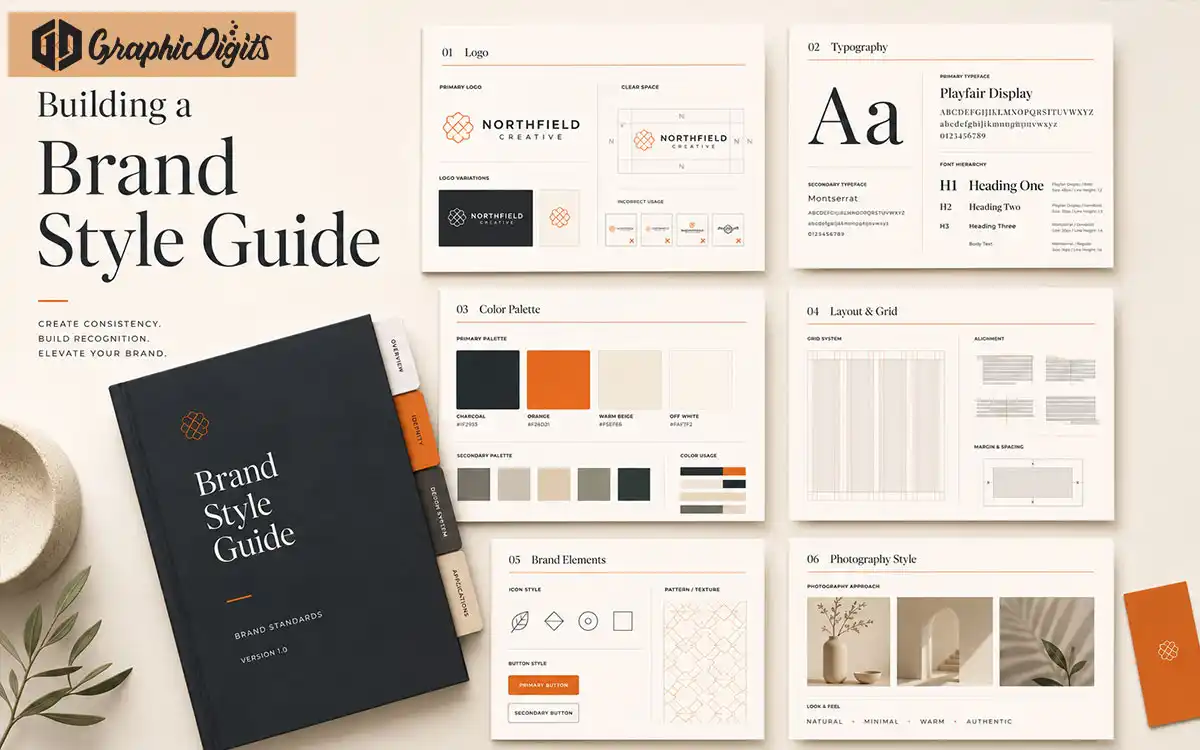
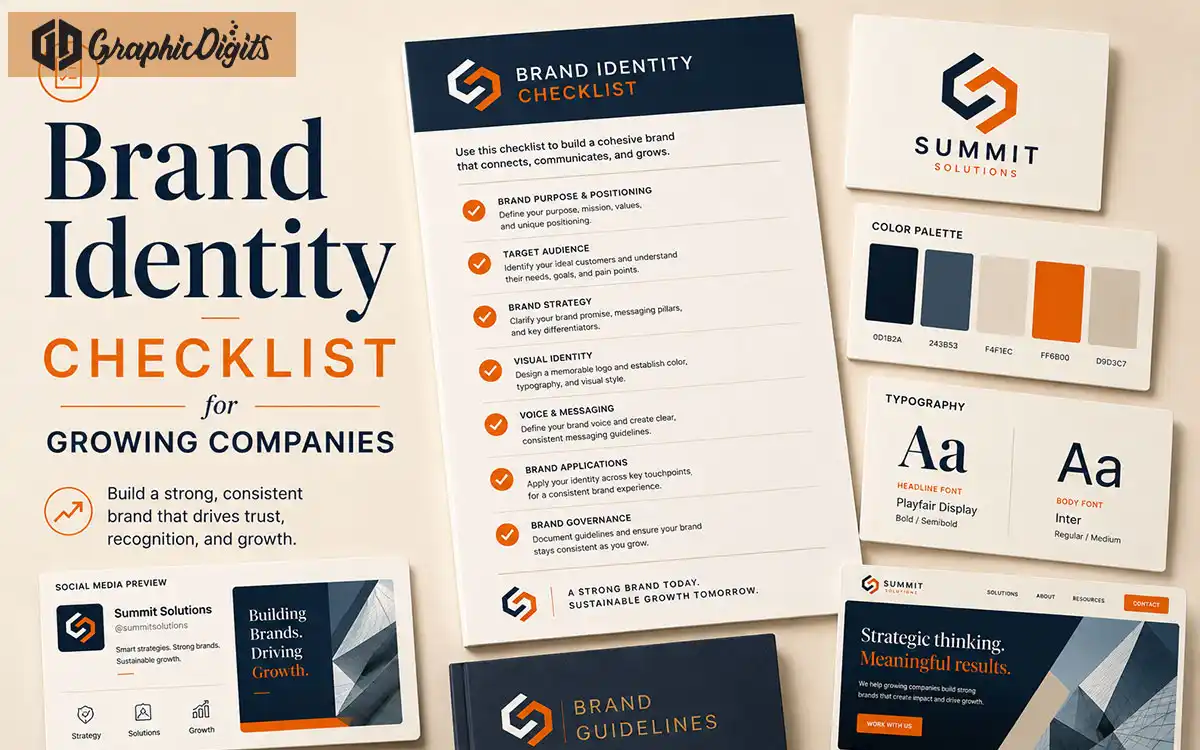
Whether you need a new logo for a startup, a refined identity for an existing business, or a complete branding design system, our team can help you create visuals that feel professional, memorable, and consistent.
We design logos that work across websites, social media, business documents, marketing materials, presentations, and digital campaigns.
Need a Professional Logo for Your Business?
Get a custom logo design that is built for recognition, trust, and long-term brand growth.