What custom stationery is
Custom stationery is communication material designed around a specific brand instead of generic office templates. The goal is not novelty for its own sake—it is to make letterheads, cards, envelopes and related pieces look intentionally tailored through shared logo treatment, type, color and contact formatting.
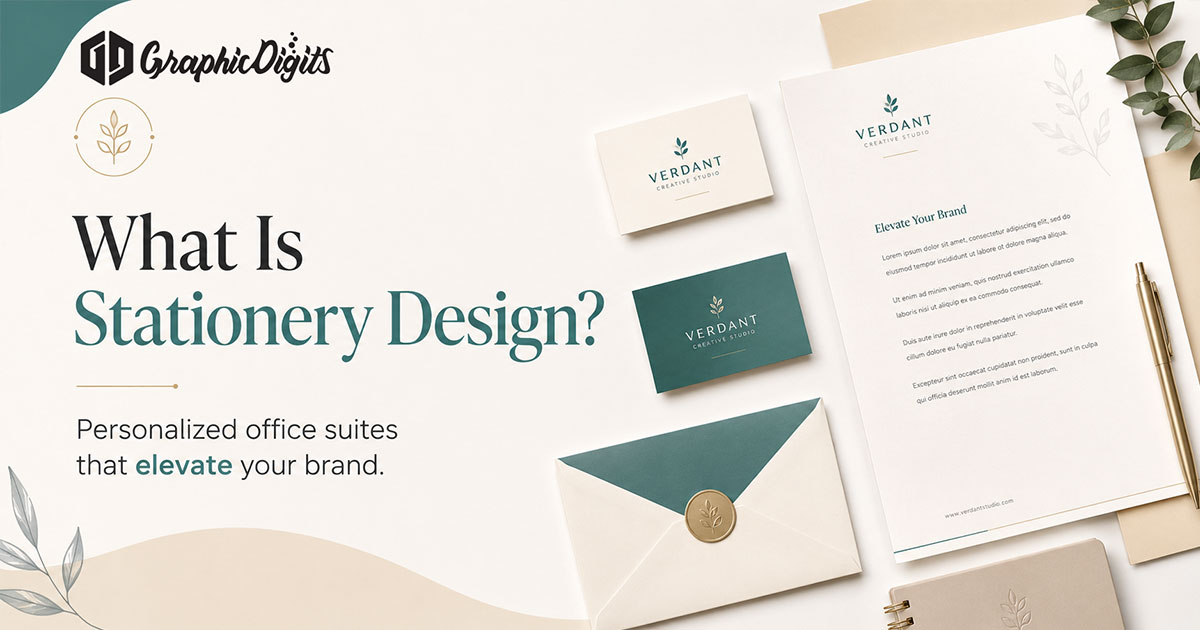
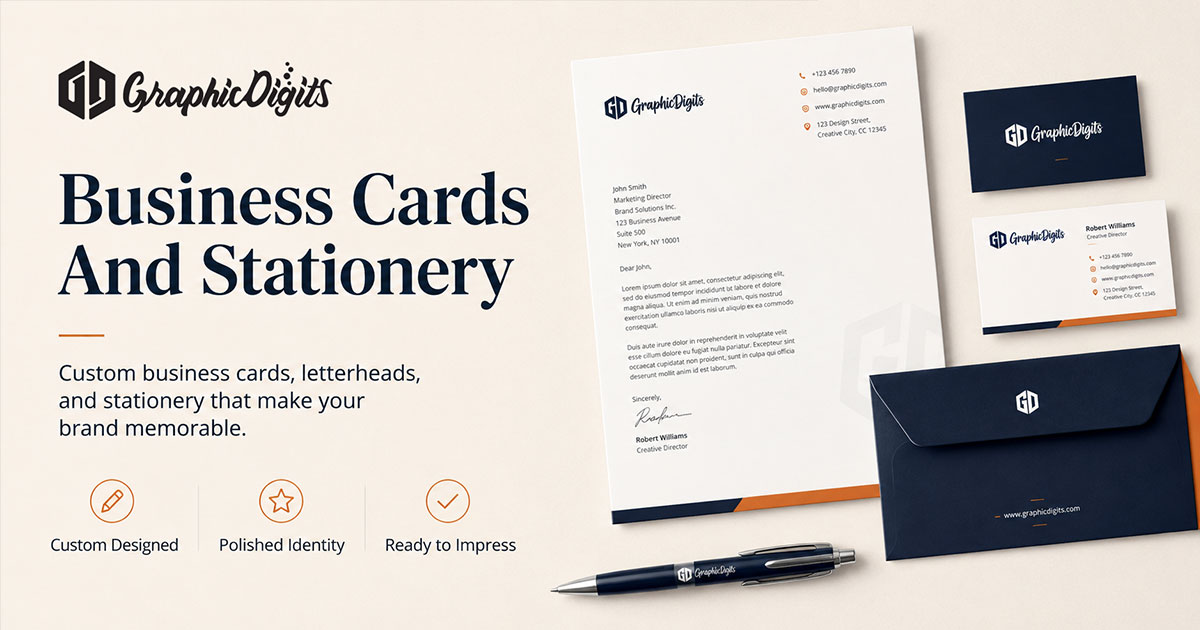
This guide focuses on what makes stationery custom, which options usually matter, and how to prepare print and digital versions without turning the article into a service pitch. For the broader category overview, see what stationery design is. For how cards and stationery operate as one business identity system, see business cards and stationery. For individual name, monogram or personal-correspondence use cases, see personalized stationery.
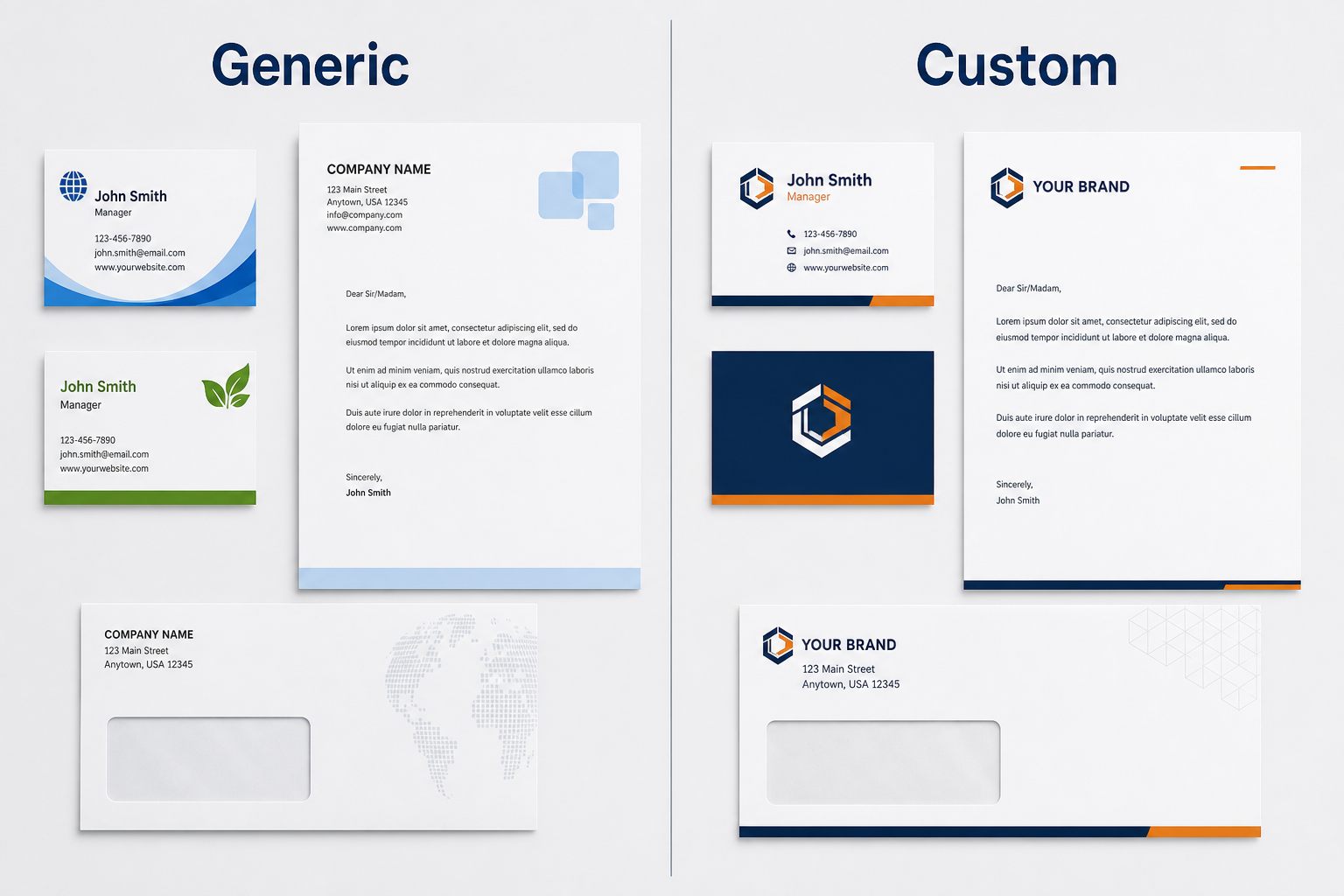
What makes stationery custom rather than generic
Generic stationery usually starts from stock layouts: default fonts, interchangeable motifs and contact blocks that could belong to any company. Custom stationery starts from brand assets and adapts each piece so recipients recognize the same organization across formats.
Customization is successful when choices are deliberate—approved marks, documented colors, clear hierarchy and contact details that stay consistent—not when every piece adds a new decorative idea.
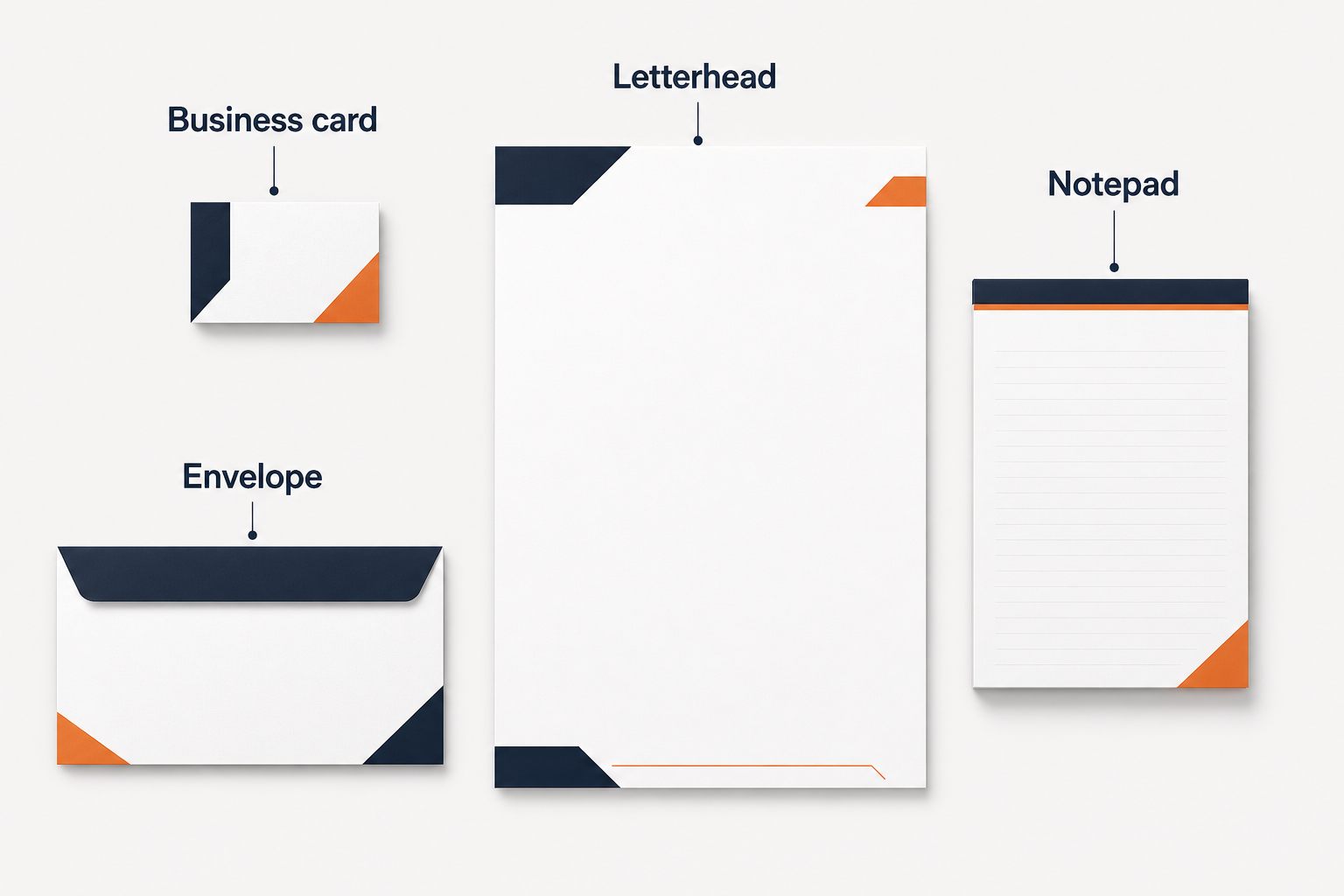
Common pieces that can be customized
- Business cards — introductions and networking handoffs
- Letterhead — proposals, notices and formal correspondence
- Envelopes — mailed first impressions
- Notepads and notecards — follow-ups, meetings and thank-you notes
- Optional folders — proposal packets and meeting leave-behinds
- Digital companions — PDF/Word letterhead and screen-ready contact blocks
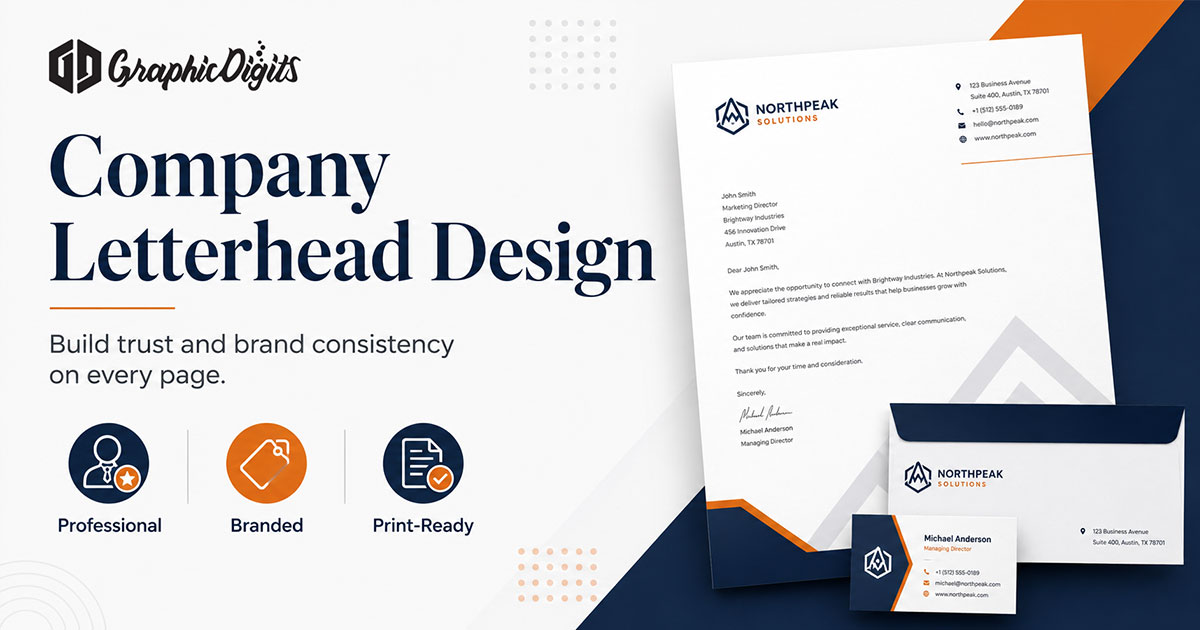
Letterhead-specific layout depth lives in company letterhead design. Card production options sit under custom business cards; this page stays on customization decisions rather than ordering.
Brand elements that should stay consistent
- Logo: approved versions sized for both card and letterhead use
- Typography: the same primary type roles across pieces
- Color: a short palette with print-safe conversions noted
- Contact details: consistent order and formatting for phone, email, web and address
- Accent logic: repeating motifs restrained enough to survive small formats
Business custom stationery vs personal stationery
Business custom stationery prioritizes organizational recognition: company marks, roles, reusable team contact standards and print systems multiple people can use. Personal stationery often centers individual names, monograms or correspondence tone for notes and invitations.
Both can be “custom,” but the decisions differ. Business systems optimize for brand governance and reuse. Personal systems optimize for recognizably individual identity. Do not force one template to do both jobs poorly.
What information belongs on each piece
- Cards: name, role, company identity and primary contact paths—keep secondary channels off when they crowd the hierarchy
- Letterhead: sender identity plus accurate contact details without crowding the writing field
- Envelopes: return identity and related marks that match the set without repeating every card line at large size
- Notecards: lighter identity cues that still match logo, type and color rules
Print specifications that usually matter
Print-ready custom stationery needs correct trim size, bleed, safe margins and color handling that survives commercial printing. Decide paper and finish after hierarchy is clear—specialty stock cannot rescue a crowded layout.
Deliver separate artboards or files per piece when sizes differ. Confirm whether white text, low contrast accents or fine rules will hold at final size before approving proofs.
Digital stationery considerations
Digital versions should preserve the same brand rules while adapting for screens: higher contrast where needed, clean PDF export and editable templates for recurring letters. Avoid relying on foil, heavy textures or specialty finishes that digital files cannot communicate.
Common mistakes to avoid
- Mixing generic template pieces with one custom card and calling the set finished
- Changing type and contact order on every template
- Oversized logos that force essential details off balance
- Decorative motifs that look premium on letterhead but fail at card size
- Print-only assets teams cannot reuse for PDF or Word correspondence
- Skipping a proof for bleed, margins or low-contrast accents
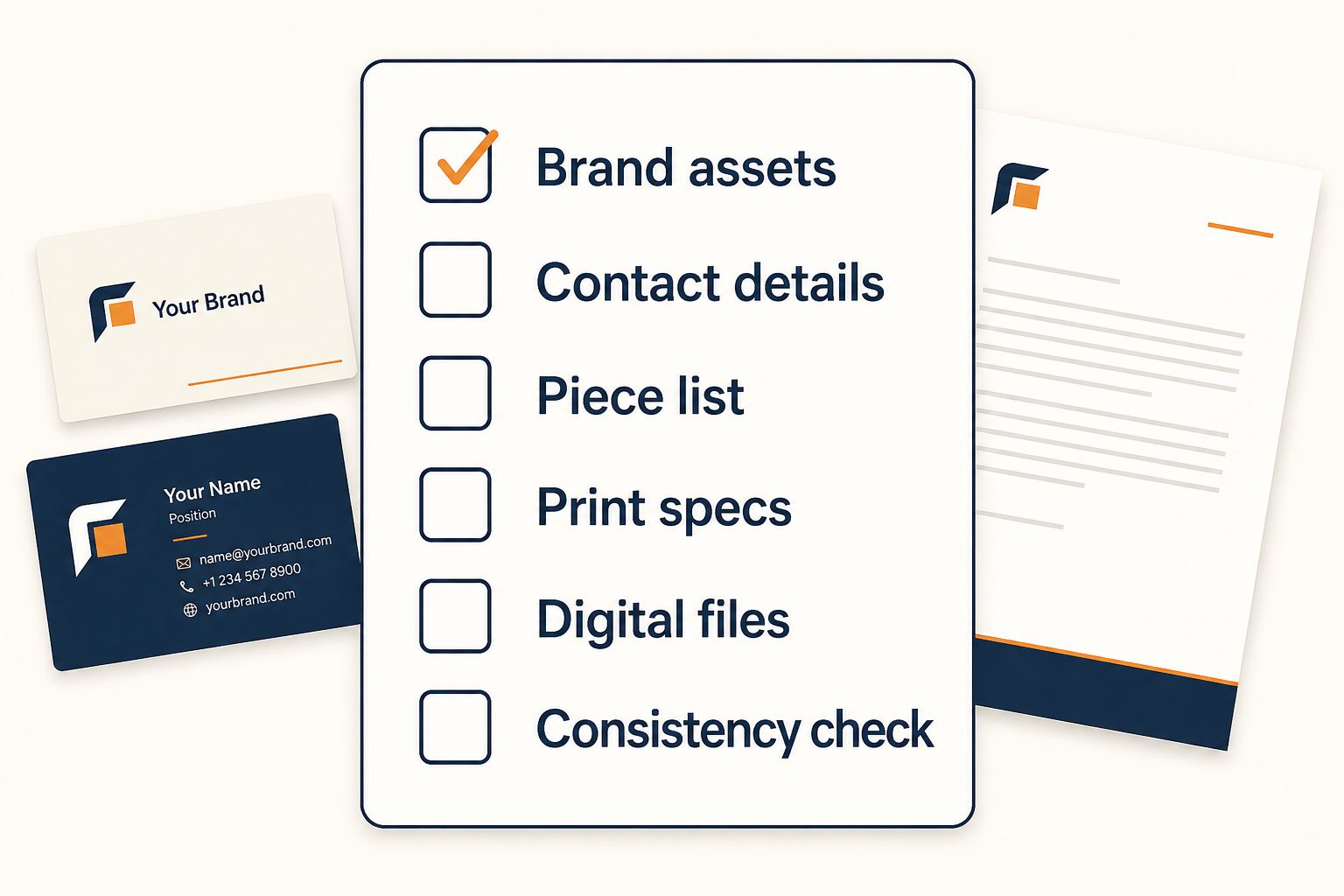
Practical design checklist
- Approved logo files for light and dark backgrounds
- Brand typefaces or approved substitutes documented
- Primary and secondary colors with print notes
- Final contact details and titles verified
- Piece list for now versus later expansions
- Print sizes, bleed and whether digital templates are required
- A short rule for how accents repeat across the set
- A consistency check across card, letterhead and envelope before production
When you need applied stationery systems as a service, GraphicDigits’ stationery design overview sits separately from this educational guide.
Frequently asked questions
What is custom stationery?
Custom stationery is brand-tailored printed and digital communication material—letterheads, cards, envelopes, notepads and related pieces—designed around your logo, type, colors and contact details instead of generic office templates.
What items are usually included in a custom stationery set?
Most sets start with business cards, letterhead and envelopes. Many organizations also add notepads, notecards or folders, plus digital companions such as PDF letterhead templates for everyday correspondence.
How should stationery files be prepared for printing?
Use final sizes with bleed and safe margins, convert brand colors for print production, outline or package fonts as required, and keep logo variants that remain clear at card size as well as letterhead scale.
Can custom stationery also be used digitally?
Yes. Digital stationery should keep the same logo, type and contact rules as print, while prioritizing screen contrast, PDF readability and reusable templates that do not depend on paper texture or specialty finishes.