Brand Identity Design: Build a Memorable and Trusted Visual Presence
Brand identity design is the work of building a repeatable visual system—not just a logo. It defines how logo, typography, color, hierarchy, and supporting graphics work together so every touchpoint feels like the same brand.
A clear identity system helps teams brief designers, keep marketing consistent, and apply the brand across websites, print, and social without reinventing rules each time. This guide walks through what belongs in that system and how to keep it coherent—whether you are launching, refreshing, or aligning existing assets.
What Is Brand Identity Design?
Brand identity design visually represents your brand’s personality, values, and positioning. It involves developing a system of design elements that communicate your message clearly and memorably. If you need the broader definitions first, start with branding vs brand identity—this guide focuses on how to build the identity system itself.
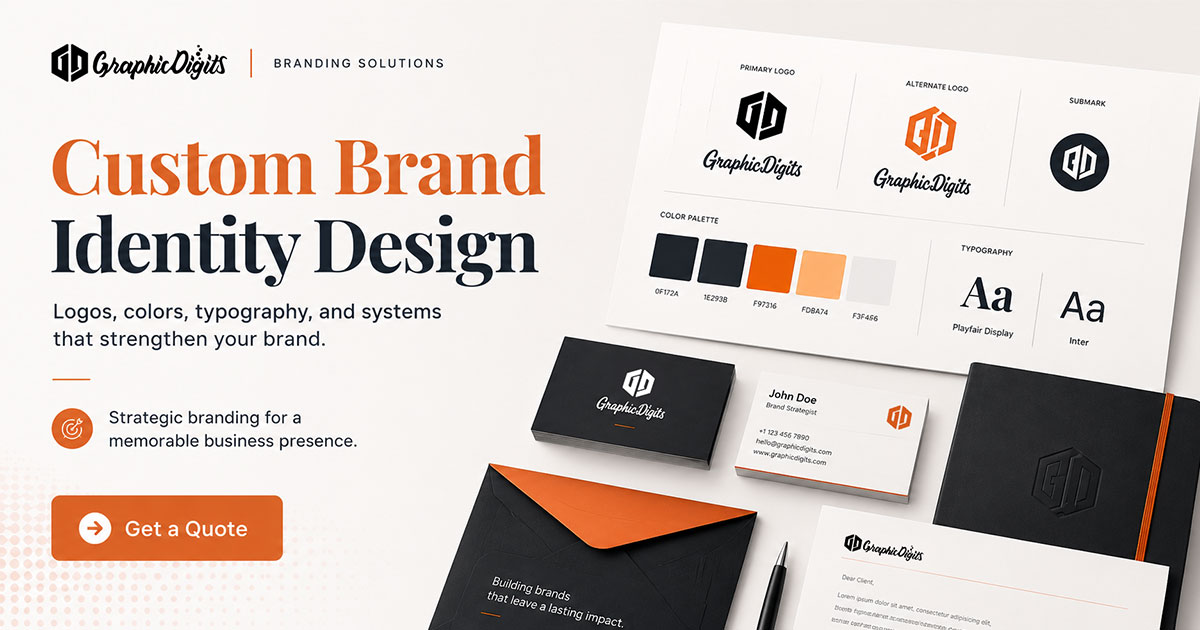
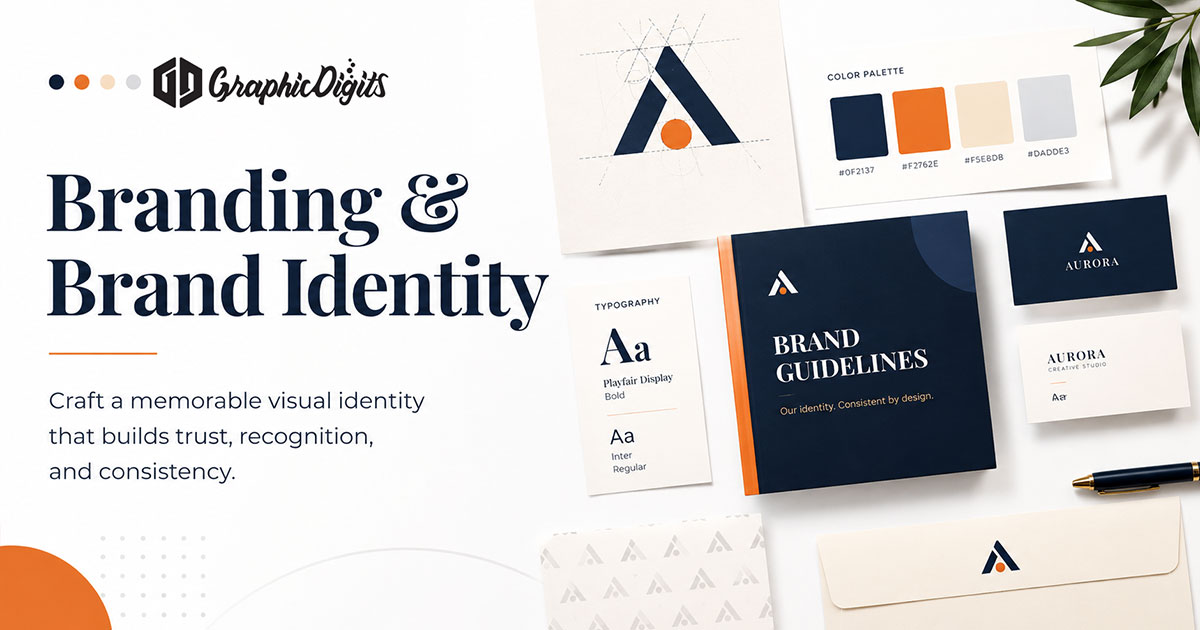
A practical brand identity system typically includes:
- Logo creation and refinement
- Color palette development
- Typography and font selection
- Iconography and visual assets
- Style guidelines and brand manuals
Whether refreshing an existing brand or launching a new venture, the identity must be instantly recognizable and scalable across platforms—from business cards to websites to social media.
Brand identity is also the glue that holds brand communications together. It enables internal teams to stay aligned and empowers marketing to deliver consistent brand signals across touchpoints.
What a Complete Brand Identity System Includes
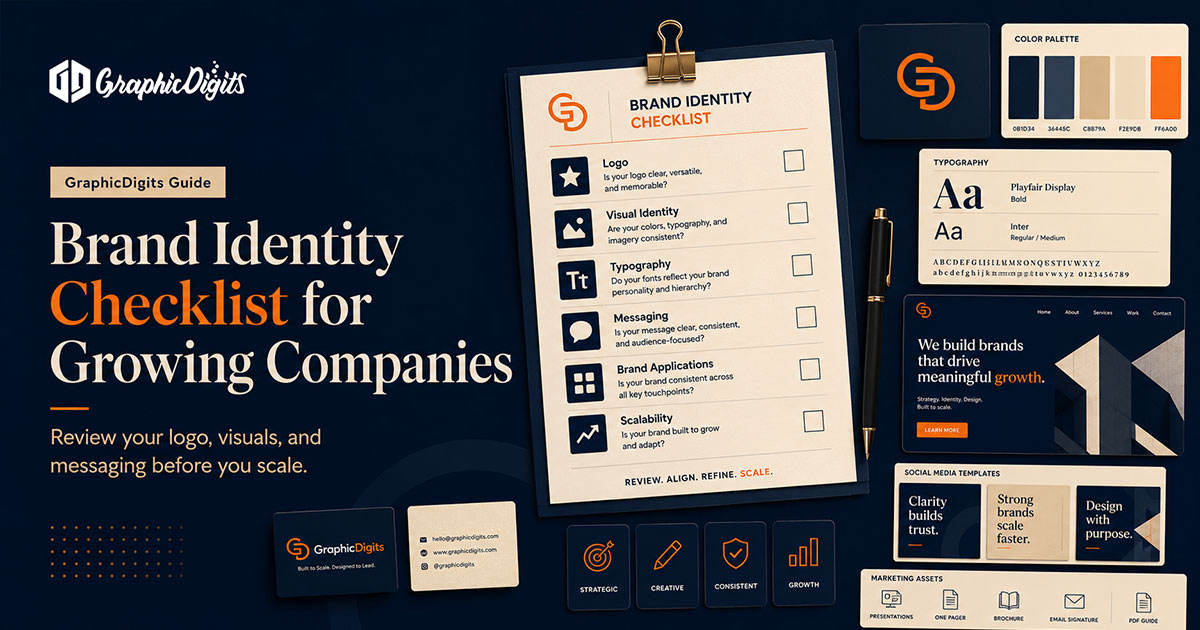
A practical brand identity system usually covers the building blocks teams need to stay consistent:
Discovery and brief: Clarify the company’s mission, tone, values, and audience before designing assets.
Visual mood boards: Translate positioning into creative directions so logo, type, and color choices stay intentional.
Design development: Build the logo, visual language, and supporting assets with consistency in mind.
Brand guidelines: Document rules for logo usage, colors, imagery, and tone so future applications stay aligned.
Purpose-driven storytelling keeps visuals aligned with strategy—not just decorative. When a brand needs a refresh rather than a first-time system, the same building blocks apply: keep what still works, update what no longer fits, and restate the rules so teams stay consistent.
Why Professional Branding and Identity Design Matter
Your visual identity is often the first thing a customer sees. A weak or inconsistent design can create confusion and lower trust. In contrast, strong, consistent branding builds credibility, boosts recognition, and supports long-term loyalty.
A well-defined identity system typically delivers:
- Design tailored to your market and industry
- Creative work backed by strategy and research
- Consistent visuals across digital and print
- Scalable identity systems that grow with your brand
Aligned touchpoints—from logos to pitch decks to packaging—keep the brand recognizable as it expands.
Designing Brand Identity for Different Platforms
Your brand must be flexible yet consistent. Strong brand identity systems adapt across platforms:
- Websites and mobile apps
- Product packaging and labels
- Print materials (brochures, catalogs, flyers)
- Social media content and advertising
The same rules should extend into internal communications, signage, and branded merchandise so the experience stays complete and professional.
A unified visual voice across mediums increases trust and brand recall.
What Makes a Brand Identity System Work in Practice
- Clear foundations: Logo, type, and color roles that teams can reuse without guesswork.
- Custom fit: Choices tuned to market, audience, and category—not a one-size-fits-all kit.
- Strategic alignment: Visual decisions that match positioning and messaging.
- Cross-platform consistency: Rules that hold from print to digital.
- Collaborative briefing: Stakeholders aligned early so execution stays coherent.
When those pieces are in place, the identity can move from concept to everyday application without drifting.
Final Thoughts: Invest in Identity That Stands Out
Your brand identity is the foundation of your marketing and customer experience. The right system and execution can transform how your business is perceived and remembered.
Whether you’re a growing startup or an evolving enterprise, a clear identity system keeps visuals aligned with your story. When you are ready to implement or refresh that system professionally, explore brand design services.
For definitions that separate strategy from the visual system, revisit branding and brand identity. For documenting usage rules after the system is set, see our brand style guide guide.
✨ Frequently Asked Questions about Brand Identity Design
What is brand identity design?
Brand identity design is the process of creating visual and strategic elements such as logos, typography, colors, and brand guidelines that represent and differentiate a business.
Why is brand identity design important for businesses?
A strong brand identity design builds recognition, establishes trust, and communicates your business values consistently across all platforms and customer touchpoints.
What elements are included in brand identity design?
Key elements include logos, typography, color palettes, imagery styles, icons, and brand guidelines that ensure consistent design in both print and digital formats.
How do you keep a brand identity consistent across applications?
Document logo usage, color roles, typography, imagery direction, and spacing rules in guidelines, then apply those same rules across websites, print, social, and packaging so teams are not reinventing the system for each asset.
When should a brand identity system be refreshed?
Refresh when the identity no longer matches positioning, looks inconsistent across channels, or limits growth. If you need professional help implementing or updating the system, start with brand design services.