Personal branding is how you make your professional identity easier to understand: what you do, who you help and why someone should trust you. It is a planning and design discipline for individuals—not a shortcut to overnight fame.
This guide focuses on personal brand positioning, visuals and consistency. For company-level visual systems, see brand identity design. Commercial branding scope lives under branding design.
What personal branding actually covers
A useful personal brand aligns values, skills and goals into a message people can recognize across LinkedIn, a portfolio site, presentations and email signatures. Like a company brand, it needs consistency—but the primary signal is you, not a product catalog.
- Positioning: the niche and outcomes you want to be known for
- Voice: how you explain ideas in writing and conversation
- Visual identity: colors, type, marks and photo style that feel intentional
- Touchpoints: profiles, site, decks and templates that match
Define positioning before visuals
Start with audience and differentiation. Who should recognize you, and for which problems? Write a short positioning statement, then derive tone and visual direction from that—not the reverse. A polished logo cannot fix unclear positioning.
- Audience and context (hire, retain, speak, partner)
- Proof you can show without exaggeration
- Tone range that still sounds like you
- Boundaries: what you will and will not be known for
Visual identity for individuals
Personal brand visuals are usually lighter than a full corporate system, but they still benefit from rules:
- A simple mark or wordmark when it supports recognition
- A limited color and type set for decks, social and site
- Consistent portrait and photography style
- Templates for posts, one-pagers and presentations
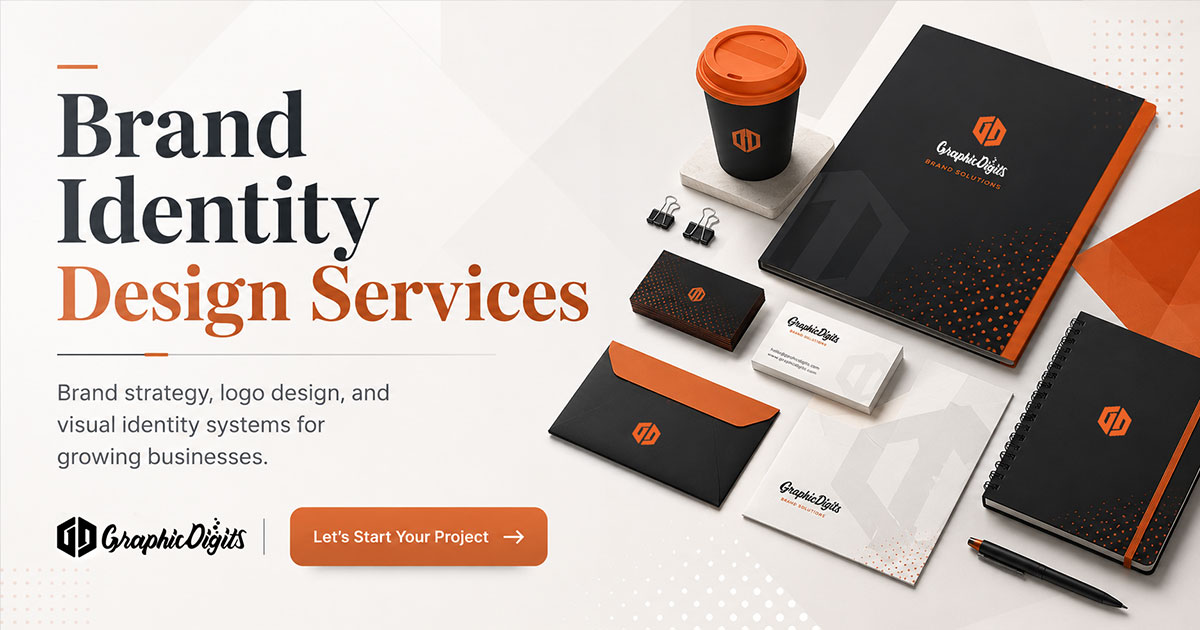
- Business cards or stationery only when they serve real use cases
Every asset should reinforce the same message. Templates help maintain consistency over time without reinventing layouts for each post.
Why consistency matters more than novelty
People often look you up before they meet you. Mismatched photos, conflicting bios and ad-hoc graphics create doubt. Consistency across profiles and materials makes expertise easier to trust—and easier to refer.
- Attract clearer inbound conversations
- Support interviews, speaking and partnership outreach
- Keep messaging stable when platforms change
- Make updates faster because the system already exists
A practical personal branding process
- Discovery — Clarify goals, audience and differentiators
- Strategy — Lock positioning, tone and priority channels
- Design — Build a small visual kit and key templates
- Apply — Update profiles, portfolio and recurring materials
- Maintain — Reuse templates and revisit messaging as offers evolve
GraphicDigits can support the design and brand-kit side of that process. We do not run personal PR, LinkedIn ghostwriting programs or ongoing brand-training workshops unless scoped separately as design deliverables.
Conclusion
Strong personal branding is clear positioning, honest proof and consistent visuals—not keyword-stuffed slogans. Use this guide to define what you want to be known for, then review branding design when you need help turning that brief into usable assets.
Frequently asked questions about personal branding
What is personal branding?
Personal branding is the practice of shaping how others understand your professional identity through consistent messaging, visuals and touchpoints—so your values, skills and positioning stay clear across profiles, portfolios and outreach.
How is personal branding different from company brand identity?
Personal branding centers on an individual—freelancer, coach, executive or founder—as the primary signal. Company brand identity design builds a business system of logos, guidelines and multi-channel assets for an organization.
What elements are part of personal branding?
Core elements usually include positioning and audience clarity, voice and messaging, a simple visual identity, a portfolio or personal site, profile photos and templates that stay consistent across LinkedIn, email and presentations.
When should professionals get design help for personal branding?
Bring in design support when visuals and templates need to match a clear positioning brief, when a personal site or portfolio must feel credible or when inconsistent DIY assets are hurting first impressions across platforms.