Greeting cards are compact, purpose-built print or digital pieces that deliver a short message for a moment that matters—celebration, appreciation, care or connection. Strong greeting card design is less about decoration alone and more about clear hierarchy: the front sets the occasion, the inside (or primary panel) carries the message, and supporting details stay quiet.
This guide focuses on what greeting cards are, the main types and formats, how layout and messaging work together, and practical design practices for personal and business use. For occasion-specific deep dives, see sibling guides such as birthday card design rather than treating every card as the same project.
What greeting cards are for
Most greeting cards exist to do one job well:
- Mark an occasion (birthday, holiday, anniversary, milestone)
- Say thank you or express appreciation
- Offer support, sympathy or encouragement
- Stay connected with customers, clients or teams (business use)
Because the format is small, every design choice competes for attention. Clarity beats cleverness when the reader only has a few seconds with the cover and a short read inside.
Common greeting card types
Useful high-level types of greeting cards include:
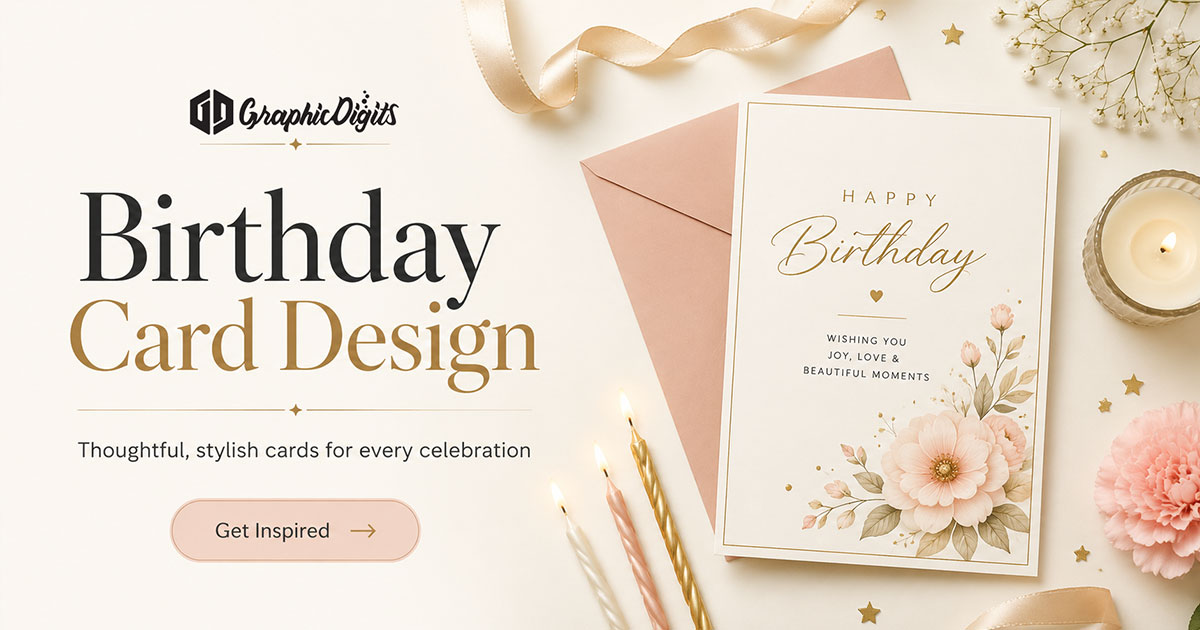
- Birthday cards — personal celebration covers and short inside messages (birthday card design)
- Anniversary cards — relationship milestones with warmer tone and clearer hierarchy
- Thank-you cards — appreciation notes after gifts, events or client work; see thank-you card design
- Holiday / festive cards — seasonal and cultural celebrations with restrained seasonal styling
- Sympathy cards — quieter layouts that leave room for care and support
- Congratulations cards — milestones such as new roles, graduations or welcomes
- Business / corporate greeting cards — client thanks, employee recognition and seasonal brand notes; for B2B seasonal holiday sends, see business holiday cards
Occasion-specific greeting cards vary in tone, format and message depending on whether they are created for birthdays, anniversaries, holidays, thank-you messages, sympathy or business communication.
Keep invitations and save-the-dates distinct from greetings—those are information formats with different readability rules (invitation card design, invitation card sizes). For event communication hierarchy beyond greetings, see event card design. For digital anniversary delivery, see anniversary e-card ideas.
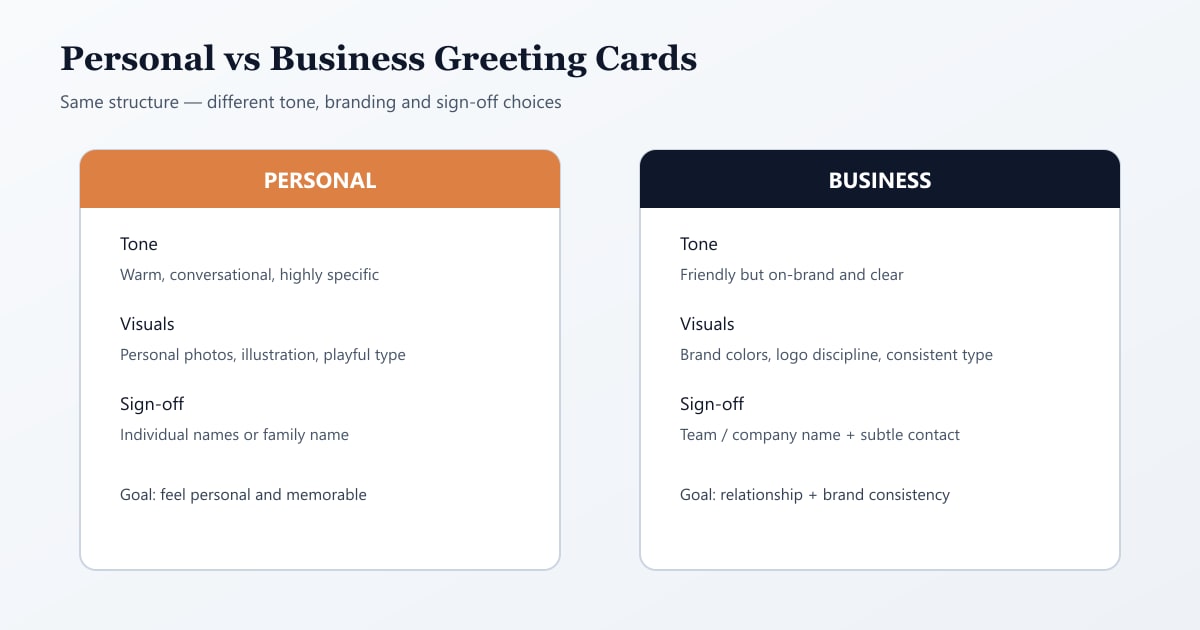
Personal vs business greeting cards
Personal and business cards often share the same physical structure, but they make different design and tone decisions.
- Personal: warmer vernacular, more room for personality, specific memories and informal sign-offs
- Business: on-brand color and type, restrained wit, consistent logo use and a signature that represents a team or company
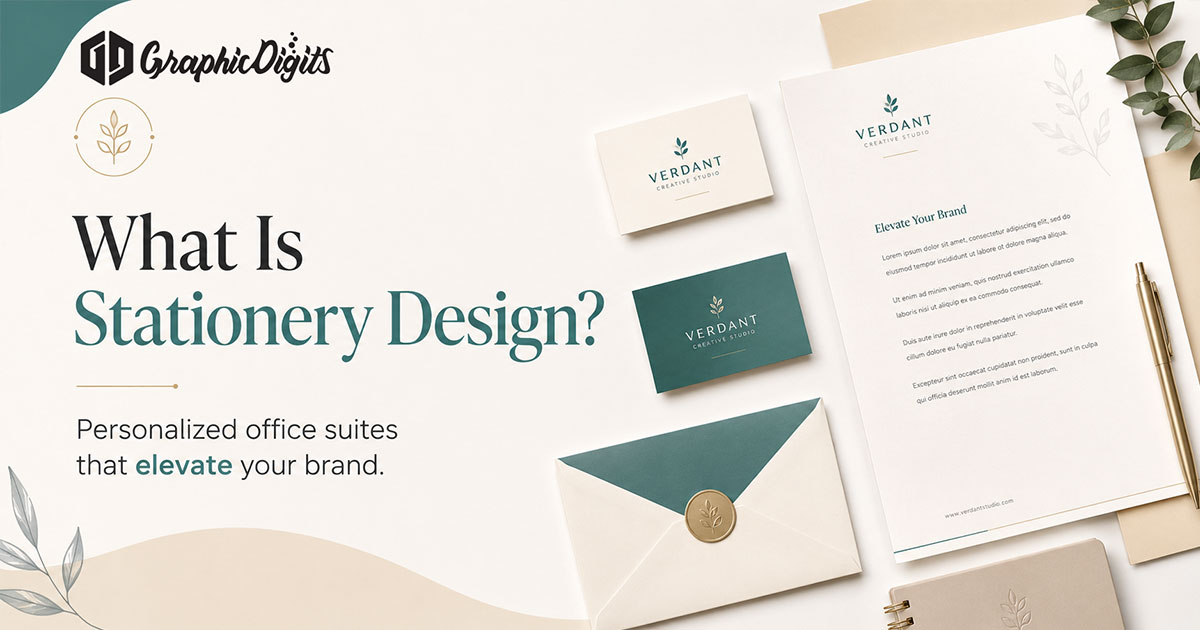
Business cards still need to feel human—brand consistency should support warmth, not replace it with a brochure tone. For how greeting cards sit inside a broader stationery system, see what stationery design includes. When you need production-ready card and matching print artwork, explore our stationery design services.
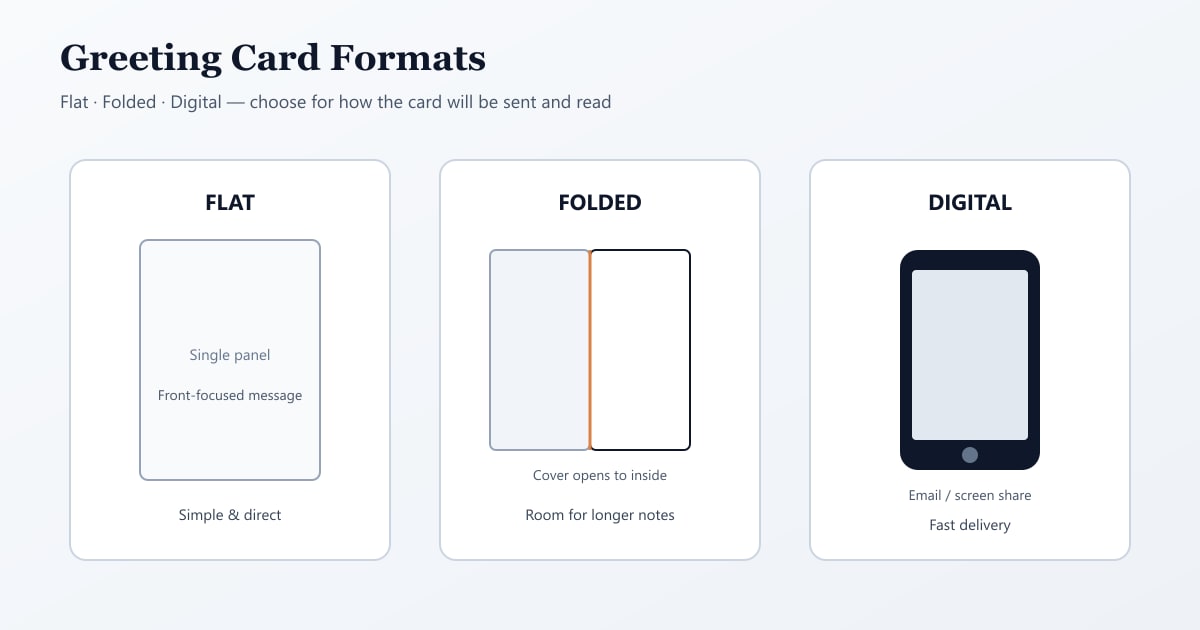
Flat, folded and digital formats
Choose format based on how the card will be sent and how long the message needs to be:
- Flat cards — single panel; best when the message is short and front-forward
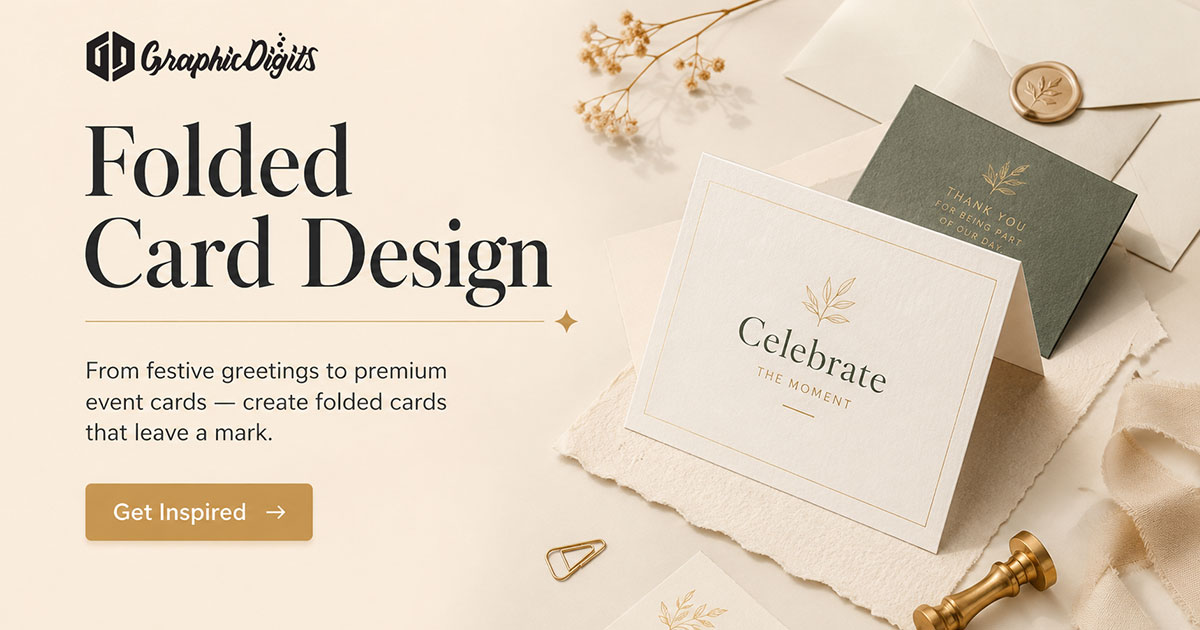
- Folded cards — cover sets tone; inside holds the full note (folded card structure covers the form-factor details)
- Digital cards / e-cards — optimized for email or screen sharing; prioritize contrast, safe margins and a message that reads well without physical paper texture
Print and digital versions of the same card rarely need identical art treatment. Digital versions often need stronger contrast and less delicate hairline detail.
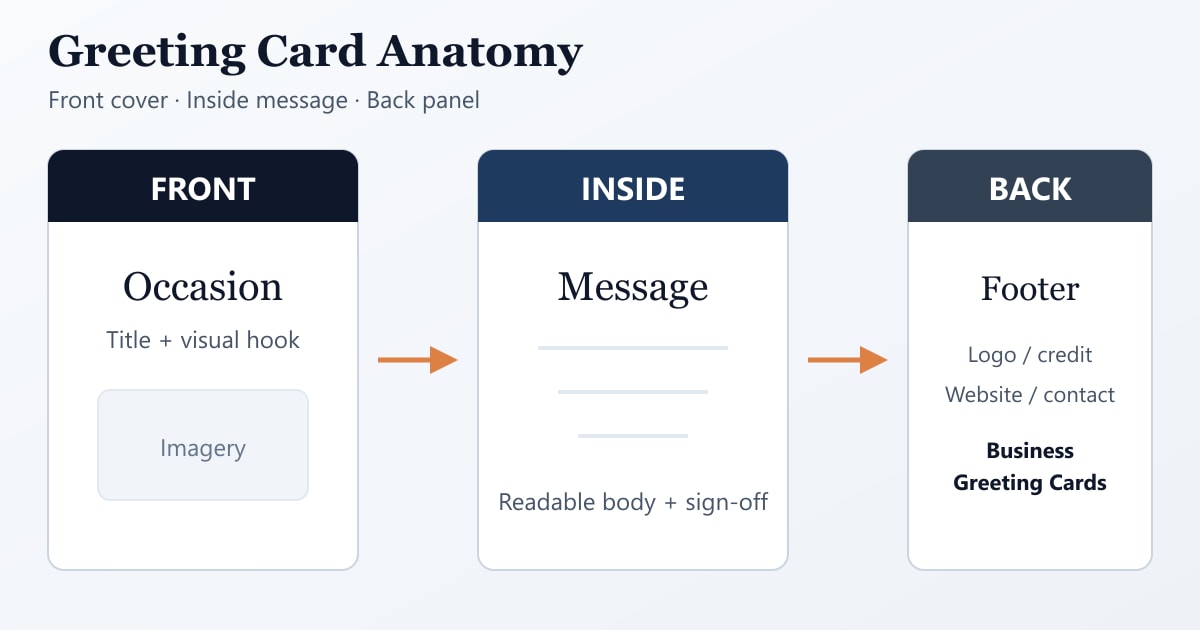
Front, inside and back structure
Think of a greeting card as three roles:
- Front cover — occasion title, visual hook and first emotional cue
- Inside (or primary message area) — the readable body message and signature
- Back — optional footer zone for logo, credit, website or quiet contact detail (especially for business cards)
Keep competing messages off the cover. If the front tries to say everything, hierarchy collapses and the card feels noisy.
Message hierarchy that works
A durable reading order for most cards:
- Occasion or opening line
- Short supporting message
- Signature / team name
- Optional brand or contact footing (business only, and kept secondary)
Message length should match the format. Folded insides allow a paragraph; flat fronts and digital previews reward brevity. Avoid stuffing marketing claims into a greeting—if you need a soft CTA for business use, keep it secondary and polite.
Typography, imagery and spacing
- Typography: pair a distinctive display choice for the occasion line with a highly readable text face for the body. Script works best in short bursts, not long paragraphs.
- Imagery: choose illustration or photography that reinforces the tone—playful, elegant, solemn or branded—without crowding the message area.
- Spacing: leave breathing room around type and art. Crowded cards look unfinished, even when production quality is high.
- Color: keep contrast strong for body text. Soft pastel on soft pastel fails quickly in print and on screens.
Print and digital considerations
Confirm dimensions, fold lines, bleeds and safe margins with your printer or production file requirements for each job—there is no single universal card size. For digital delivery, check how the design looks at email preview sizes and confirm that text remains legible when compressed or viewed on mobile.
Examples of finished card and stationery work appear in our design portfolio.
Common greeting card design mistakes
- Occasion and body message fighting for equal weight on the cover
- Decorative fonts used for long inside copy
- Weak contrast between type and background
- Business branding that overwhelms the greeting
- Treating invitations as greeting cards (different information hierarchy)
- Ignoring fold, trim or screen-safe margins until production
- Copy that is too long for the format or too generic for the relationship
Practical greeting card checklist
- Occasion and audience defined
- Format chosen (flat, folded or digital)
- Front hierarchy clear in three seconds
- Inside/message panel readable at a glance
- Tone matched to personal or business use
- Brand elements restrained and consistent (if branded)
- Margins, contrast and production notes checked
- Signature and optional back details finalized
Frequently asked questions
What are the main types of greeting cards?
Common types include personal occasion cards, holiday and seasonal cards, thank-you and appreciation cards, sympathy cards, and business or corporate greeting cards. Occasion-specific formats—like birthday, invitation or anniversary cards—have their own design priorities covered in dedicated guides.
What should a greeting card include?
Most cards need a clear front occasion or visual hook, a concise inside message with a readable sign-off, and—when relevant—quiet back-panel information such as a logo, credit or contact detail for business use.
What is the difference between a flat and folded greeting card?
A flat card is a single panel where the main message often lives on the front. A folded card opens: the cover sets the occasion and tone, while the inside holds the longer message and signature.
How can a business keep greeting cards consistent with its brand?
Reuse brand colors, typography, logo rules and a consistent tone of voice. Keep layouts restrained, place logos and contact details thoughtfully, and align seasonal or occasion styling with the brand system rather than starting from scratch each time.